The 'Soft Fascination' Secret: Why Your Brain Needs a 7-Day Digital Reset More Than Sleep
Feeling 'hyper-stimulation fatigue'? Join the 7-Day Reconnect Challenge. A science-backed guide to stopping the dopamine loops and mastering digital wellness.
PJnog
2/19/20265 min read


Understanding Digital Overload
In today’s hyper-connected world, our brains are constantly bombarded by digital distractions, such as emails, notifications, social media updates, and endless streams of information. It’s easy to assume that sleep is the only solution to this constant mental exhaustion.
But what if I told you that a 7-day digital reset might actually do more for your brain than a good night's sleep?
In this post, we'll explore why your brain needs a break from screens and how the "Soft Fascination" principle can help you reset your mind and improve focus. Let’s dive into the 7-Day Digital Detox Challenge and how it can help you reclaim your attention, energy, and peace.
Day 1
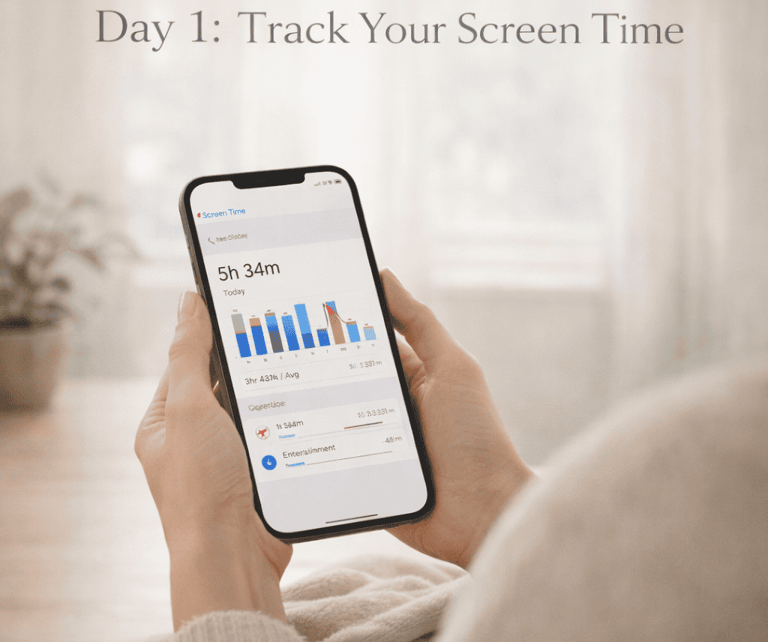
Before diving into the challenge, it’s essential to understand how much time you’re spending on your devices. You don’t need to make any drastic changes just yet. Simply observe your screen time and the frequency of interruptions. How often do you check your phone? Do you find yourself distracted by notifications even when you're supposed to be focusing on something else?
Start by tracking your screen time today and note how often you feel the urge to check your phone or computer. This baseline will help you see the improvement over the next few days.
Find Your Baseline
Day 2
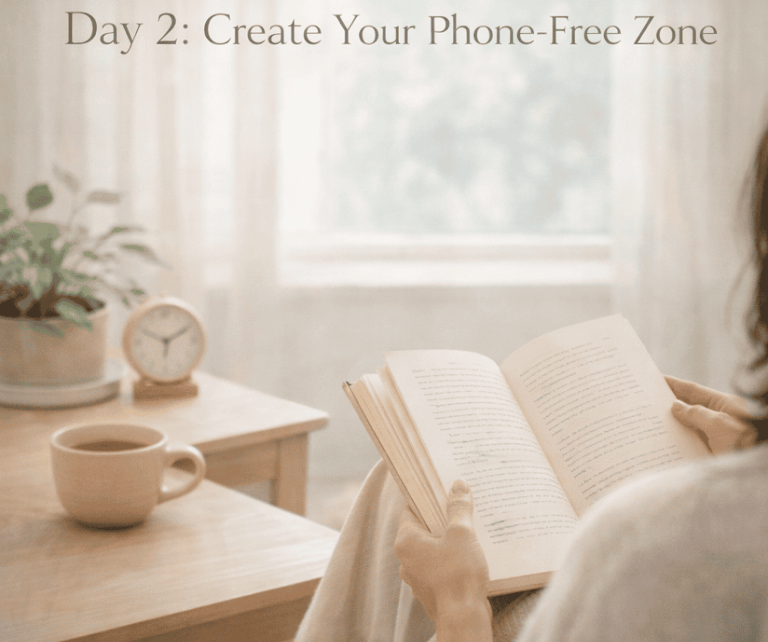
The key to a successful digital detox isn’t about completely removing technology—it’s about creating intentional spaces where you can escape digital noise. A phone-free zone could be a corner of your home, your work desk, or even your bedroom. When you're in this space, make it a rule to leave your phone out of sight.
This practice will give your brain the opportunity to rest and re-engage with the world around you without distractions.

Create One Phone-Free Zone
Day 3
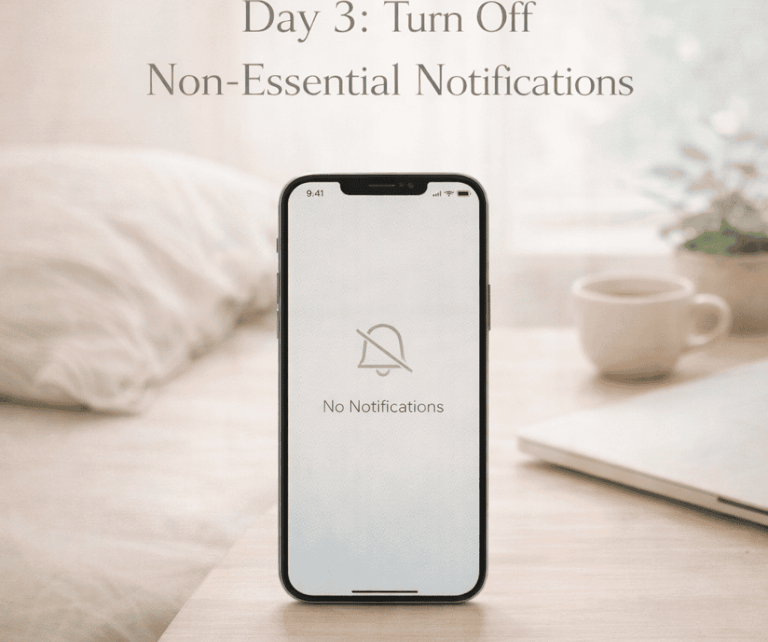
Notifications are designed to grab your attention, but they’re also one of the biggest culprits of constant mental fatigue. Whether it’s an email alert, a Facebook like, or a reminder to check your phone, these pings are constantly pulling you away from the present moment.
Today, turn off non-essential notifications on your phone. You’ll be amazed at how much more present you feel without constant interruptions.
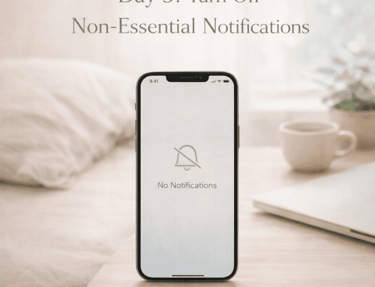
Tame Your Notifications
Day 4


Embrace a 5-Minute Mindful Morning
How you start your day sets the tone for everything that follows. Instead of diving into your phone first thing, try spending 5 minutes practicing mindfulness. Focus on your breath, do some light stretching, or simply sit in silence and listen to the sounds around you.
This simple habit can help you ground yourself and avoid the mental chaos that typically comes from waking up and immediately checking your phone.
Day 5
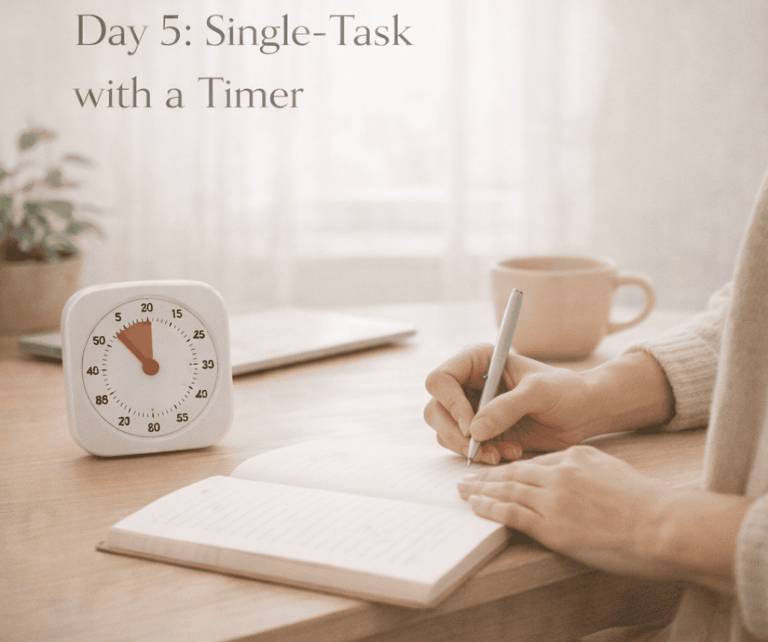
Set a Timer for Single-Tasking
In a world full of multitasking, it’s easy to lose focus and feel overwhelmed.
But multitasking isn’t productive; it’s a recipe for mental burnout.
On Day 5, set a timer for 30 minutes and focus solely on one task at a time.
This is your time to tackle something important, whether it’s writing a report, reading a book, or working on a personal project.
No phone, no distractions, just you and your task.
Day 6
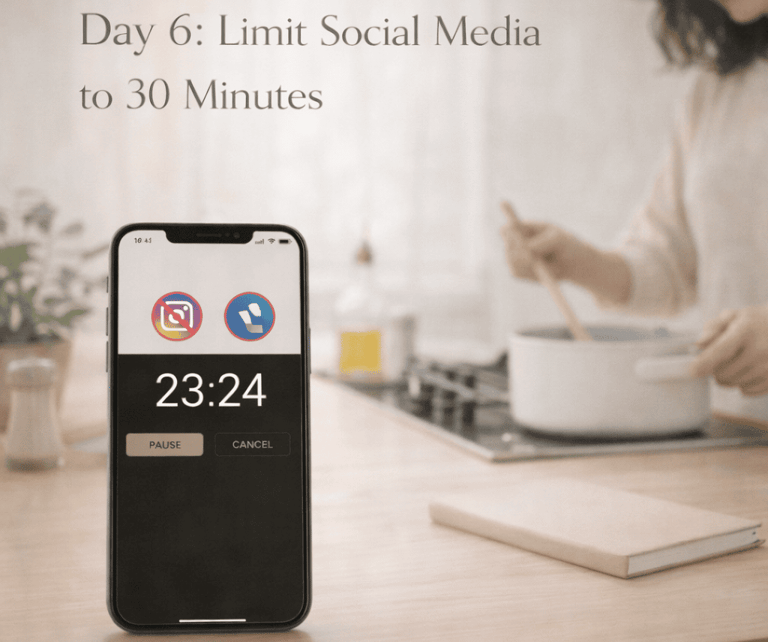
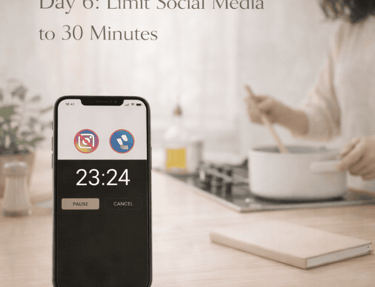
Limit Social Media Time
Social media is designed to be addictive. The endless scroll, the dopamine hits from new notifications, it’s a cycle that keeps you hooked.
Today, set a specific time limit for how long you’ll spend on social media.
Maybe it’s 20 minutes, maybe it’s 30 minutes, but stick to it.
After your limit is up, close the apps and focus on something else. You’ll be amazed at how much more energy you have when you aren’t constantly checking your feeds.
Day 7


Build Your Reconnect Routine
The final day of the challenge is about creating a long-term routine that supports your digital wellness. Reconnecting with yourself doesn’t happen overnight, but by building daily habits that prioritize your well-being, you can continue to thrive in a world that’s constantly online.
Create a routine that includes time for self-care, physical activity, reading, and, of course, moments of digital disconnection.
You may have heard of the term "Soft Fascination." It refers to activities or environments that allow your mind to wander and relax without the pressure of a demanding task.
Nature, art, and even a good book are examples of "Soft Fascination" that restore your brain's energy.
This principle is crucial in your 7-day reset challenge, as it emphasizes the importance of mental restoration.
By taking these small, intentional steps over the past week, you’ve given your brain the reset it so desperately needed. The benefits of this digital detox challenge extend far beyond just reducing screen time. You’ve increased your ability to focus, improved your relationships, and started a journey toward greater peace of mind.
Now that you’ve experienced the difference, make a plan to continue these habits.
Your brain and your future self will thank you.
The 'Soft Fascination' Effect
FAQs
What is the challenge?
A 7-day program to reset your tech habits and ease anxiety.
How does it help addiction?
It uses tactics like turning off notifications and limiting screen time to break phone addiction cycles.
Can I use tech during it?
Yes, the challenge encourages mindful use rather than total avoidance, helping you find balance with technology.
Who is this for?
Anyone feeling overwhelmed by their devices and wanting a healthier tech routine.
Is it hard to follow?
The steps are simple and doable, designed to fit into your daily life without stress.
What results can I expect?
Many notice less anxiety, better focus, and more free time after completing the week-long challenge.
The Reconnect Guide
❤️If you find our guides helpful and want to support our mission, please consider donating. Your contributions help us remain ad-free and continue delivering valuable content. We accept any token on the BNB Smart Chain
Subscribe
© 2026 The Reconnect Guide. All rights reserved.
Helping you find balance in a digital world. Discover tools, resources, and practices for mindful living and digital detox.